
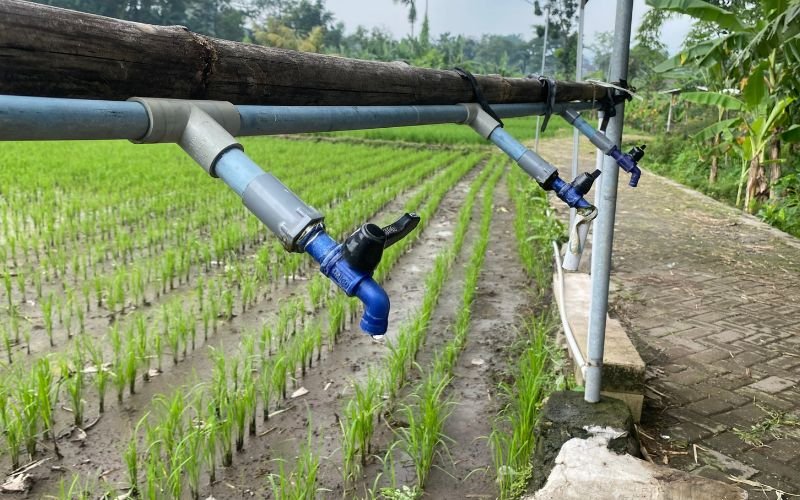
Agriculture heavily depends on efficient water management, and PVC pipes have become an essential part of modern irrigation systems. Farmers and agricultural professionals prefer PVC piping due to its durability, affordability, and resistance to environmental conditions.
One of the biggest advantages of PVC pipes in agriculture is corrosion resistance. Unlike metal pipes, PVC does not rust when exposed to water and soil. This ensures a longer service life, even in challenging outdoor conditions.
PVC pipes are lightweight and easy to install. Farmers can quickly set up irrigation systems without requiring heavy equipment or complicated procedures. This reduces labor costs and saves valuable time during installation.
Water flow efficiency is another major benefit. PVC pipes have smooth internal surfaces, which reduce friction and allow better water movement. This improves irrigation efficiency and ensures crops receive consistent water supply.
Durability is critical in agricultural environments. PVC pipes are designed to withstand pressure variations, temperature changes, and external impact. When manufactured using high-quality raw materials, they provide reliable performance for years.
Cost-effectiveness also makes PVC pipes a preferred choice. Compared to traditional piping materials, PVC offers excellent performance at a lower cost. Additionally, its low maintenance requirements further reduce long-term expenses.
Leak-proof fittings are equally important in irrigation systems. Properly designed PVC fittings ensure secure joints, preventing water wastage and maintaining consistent pressure throughout the system.
In modern farming, efficiency and sustainability matter more than ever. By choosing high-quality PVC pipes and fittings, farmers can improve water management, reduce costs, and enhance overall productivity.
PVC piping is not just a solution — it is a smart investment for sustainable agriculture.
Add comment